
Case Studies
Hengtong Intelligent Manufacturing’s Micro-Wind Air Compression Power Generation System is suitable for deployment across a wide range of settings, including factories, industrial estates, municipal facilities and remote base stations, providing businesses with a low-cost, highly reliable green power supply solution.
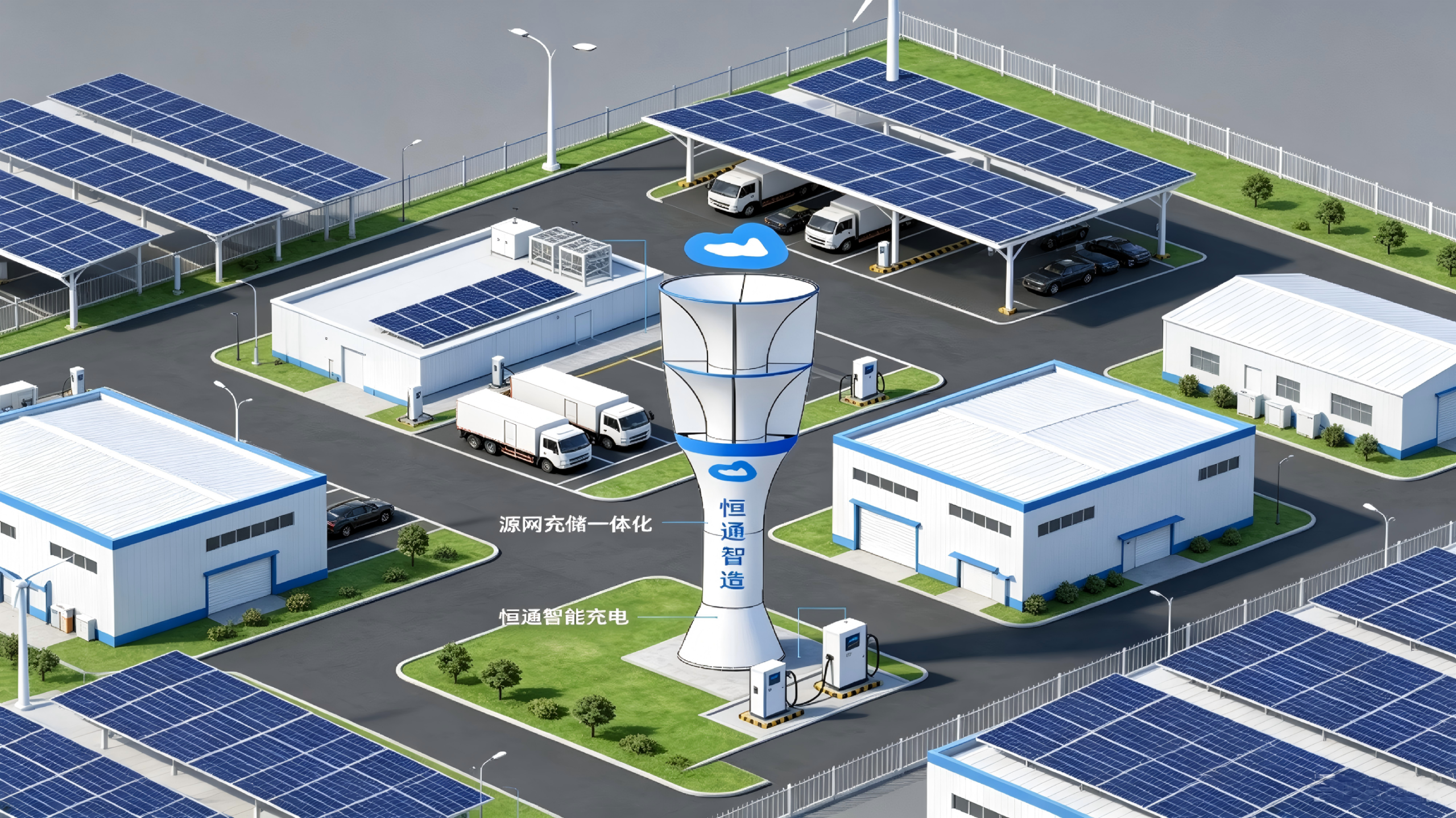
A 200-million-kWh green electricity supply project for a metals company
▌Project Overview
A certain metals company has an annual electricity consumption of 350 million kilowatt-hours, with an average electricity tariff of 0.657 yuan per kilowatt-hour. Against the backdrop of the accelerating digital transformation in the new metals materials industry, the company is actively responding to policy directives by utilising technical upgrading projects and green energy to reduce electricity costs and facilitate its transition towards a low-carbon, green factory.
This project plans to install an air-compression power generation system with an installed capacity of 50 MW and an energy storage system with a capacity of 10,000 kWh on the company’s premises, providing an annual supply of 200 million kWh of green electricity. Adhering to the principle of ‘generating for own use, with surplus electricity not fed into the grid’, all electricity generated will be consumed by the company itself, with the aim of reducing the company’s electricity costs, optimising its energy mix and practising green production.
▌Hengtong Intelligent Manufacturing Solutions
This project adopts an Energy Performance Contracting (EPC) model and plans to install a total of 72 air-compression power generation units—comprising 6 units of 5,000 kW, 6 units of 2,000 kW, 20 units of 300 kW, 20 units of 100 kW and 20 units of 25 kW—along with a 5 MW/10 MWh energy storage system on idle land, roadside verges and green belts within the company’s factory premises. The system will operate under a ‘self-generation for self-consumption, surplus electricity not fed into the grid’ model. By integrating the energy storage system’s regulation capabilities with remote centralised control and a comprehensive monitoring system, a distributed air-compression power generation system will be established. Following step-up transformation, the power generated will be fed into the site’s internal grid, enabling intelligent switching between the site’s power supply and the mains grid. Wind power will be prioritised, with any shortfall automatically supplemented by the State Grid, ensuring that the normal operation of production equipment remains unaffected.
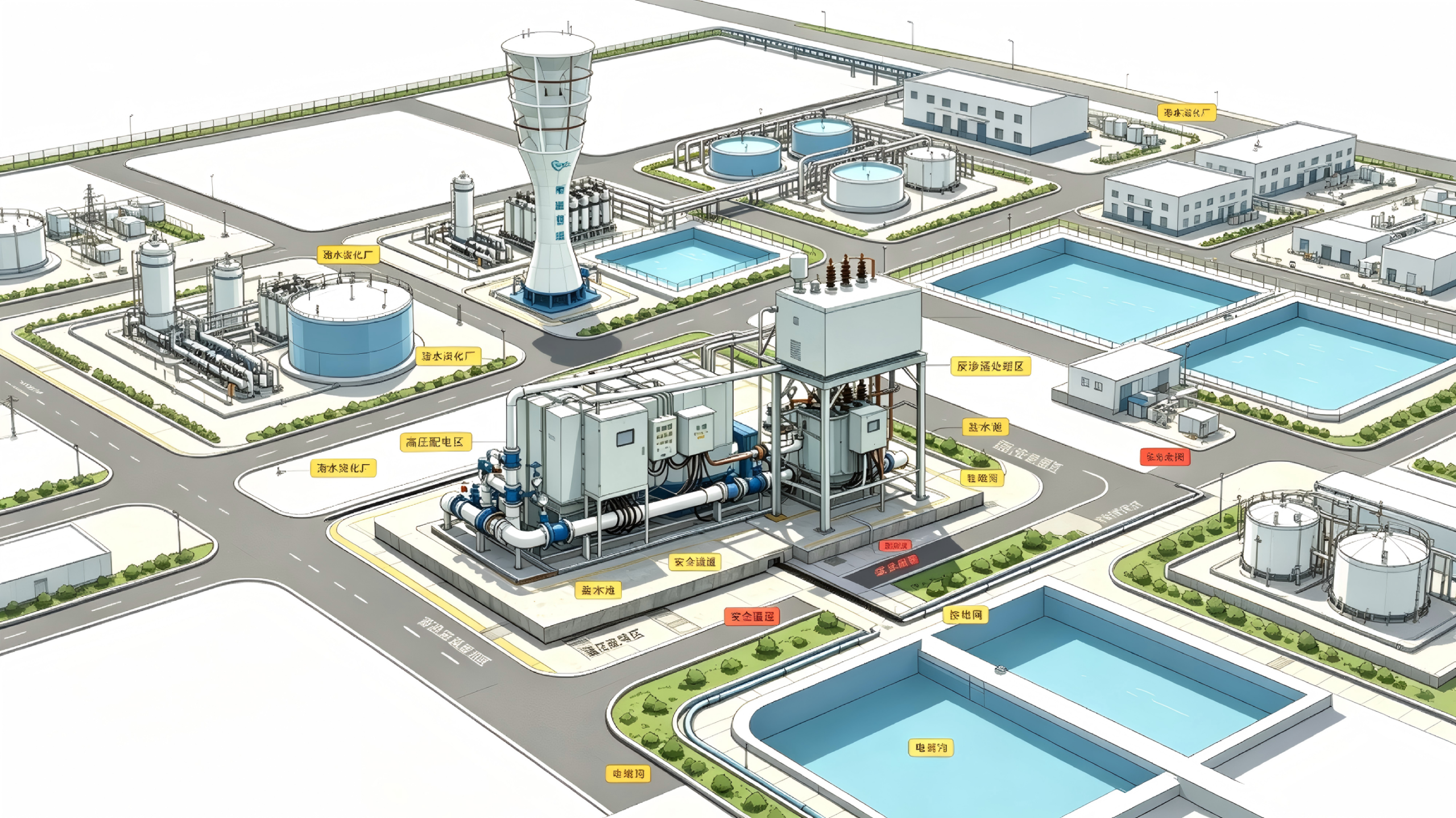
50,000 metric tonnes per day seawater desalination power supply project
▌Project Overview
The 50,000-metric-tonne-per-day seawater desalination project is located in the Gangcheng Industrial Park, Huanghua City, Cangzhou City, Hebei Province. It produces 50,000 metric tonnes of fresh water per day, with an annual electricity consumption of approximately 8,600 kilowatt-hours. At an electricity rate of 0.68 yuan per kilowatt-hour, the annual electricity cost amounts to 58.5 million yuan, equating to a power cost of 3.54 yuan per metric tonne of water.
▌Hengtong Intelligent Manufacturing Solutions
This project is a supporting power supply system that utilises a technical approach combining compressed air power generation, energy storage and 35 kV grid connection to achieve self-sufficiency in the project’s electricity requirements, with any surplus electricity not being fed into the grid.
It is proposed to install four 5,000 kW and one 1,500 kW air-compression power generation systems, with a total installed capacity of 21.5 MW and an annual electricity generation of 86 million kWh, sufficient to meet the project’s annual electricity requirements.
The system automatically adjusts power generation output in accordance with the desalination plant’s load requirements, whilst the energy storage system utilises the project’s existing in-house storage capacity to provide peak-shaving and valley-filling, as well as to stabilise the output of the generating units. When power generation exceeds load demand, surplus electricity is stored in the energy storage system; when power generation is insufficient, the energy storage system discharges to supplement the supply.
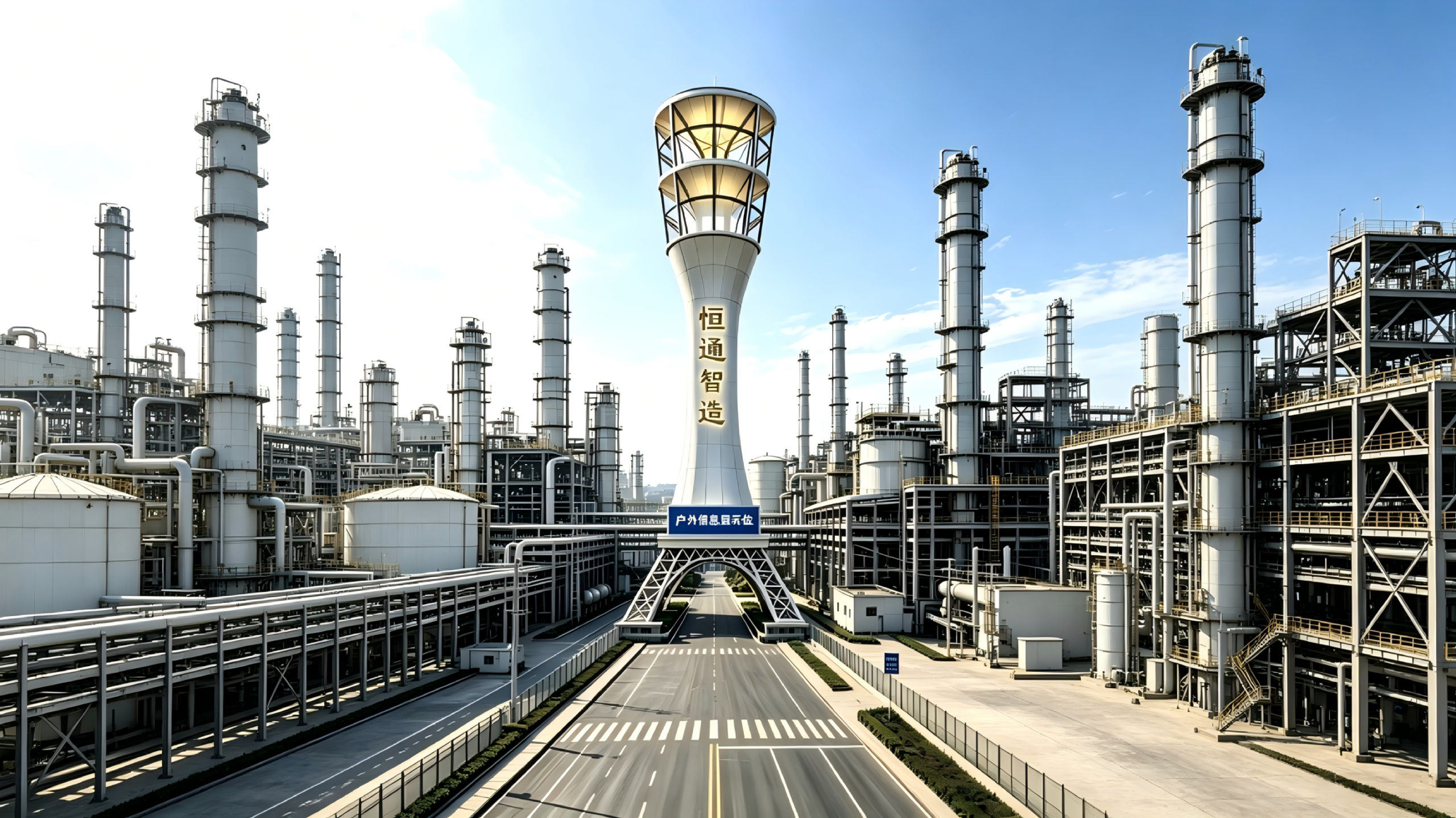
A 35 MW air-compression power generation project at a petrochemical enterprise
▌Project Overview
A certain petrochemical enterprise consumes 200 million kilowatt-hours of electricity annually, resulting in high electricity costs. In response to the national strategic objectives of carbon peaking and carbon neutrality, and to increase the proportion of green electricity within the petrochemical sector, the enterprise plans to construct a 35 MW distributed air-compression power generation project on its premises, complemented by a lithium iron phosphate energy storage system, thereby establishing a green energy demonstration model for the petrochemical industry based on ‘air-compression power generation + energy storage + self-generation for self-consumption’.
▌Hengtong Intelligent Manufacturing Solutions
This project involves the customisation of seven 5,000 kW air-compression power generation systems for an electricity-consuming enterprise, along with a self-supplied 7,000 kWh lithium iron phosphate energy storage system. The layout has been optimised taking into account factors such as available land space on the site, wind rose diagrams and the distribution of obstacles, with an annual electricity generation capacity of approximately 140 million kWh. The voltage from each wind turbine is stepped up to 35 kV via a prefabricated transformer (0.69/35 kV). Seven 35 kV collection lines converge at a newly constructed 35 kV switchyard, where the voltage is further stepped up to 110 kV via the main transformer, and the power is fed into the Dagang Petrochemical 110 kV substation via a single 110 kV line. The energy storage system comprises seven 500 kW/1,000 kWh energy storage units (or an optimised configuration based on the actual project requirements), with each unit connected to the 35 kV (or 10 kV) busbar via a PCS (power conversion system).
Application Scenarios
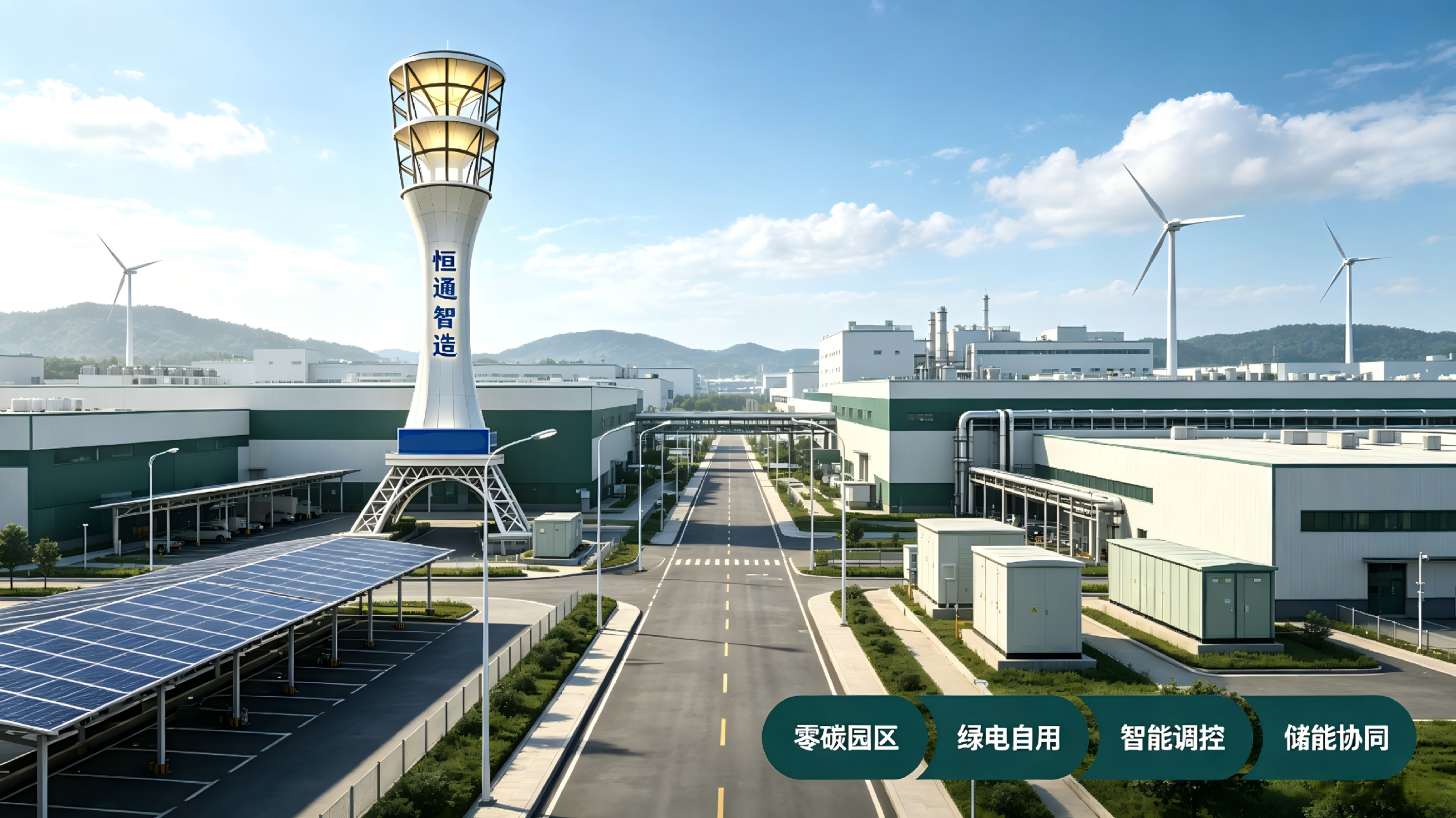
Zero-carbon Smart Parks/Factories
▌Scene description
Aimed at large industrial estates and manufacturing bases, this solution addresses the traditional model of sole reliance on the national grid by providing a high proportion of distributed green electricity and energy management services.
▌Hengtong Intelligent Manufacturing Solutions
By utilising three-dimensional spaces such as roads, rooftops and unused plots within the industrial park, and by strategically deploying power generation equipment of various power ratings, an integrated ‘generation-grid-load-storage’ microgrid system will be established to ensure comprehensive coverage and optimisation of electricity supply for production, office and domestic use by enterprises within the park.
▌Core Application Value
Cost Reduction and Efficiency Improvement:By significantly reducing reliance on the mains grid during peak-price periods and generating and consuming green electricity on-site, businesses can substantially lower their overall energy costs and improve their economic performance.
Green Development:Effectively increasing the proportion of green electricity consumed by enterprises, contributing to the achievement of the strategic goals of ‘carbon peaking and carbon neutrality’, optimising ESG ratings, and shaping a green and low-carbon corporate brand image.
Safe and reliable:As an independent power supply unit, a microgrid can act as a ‘super backup power source’ for the industrial park, enhancing its ability to cope with external grid failures and the risk of power cuts, thereby ensuring the continuity of production and operations.
Zero-Carbon Smart Roads
▌Scene description
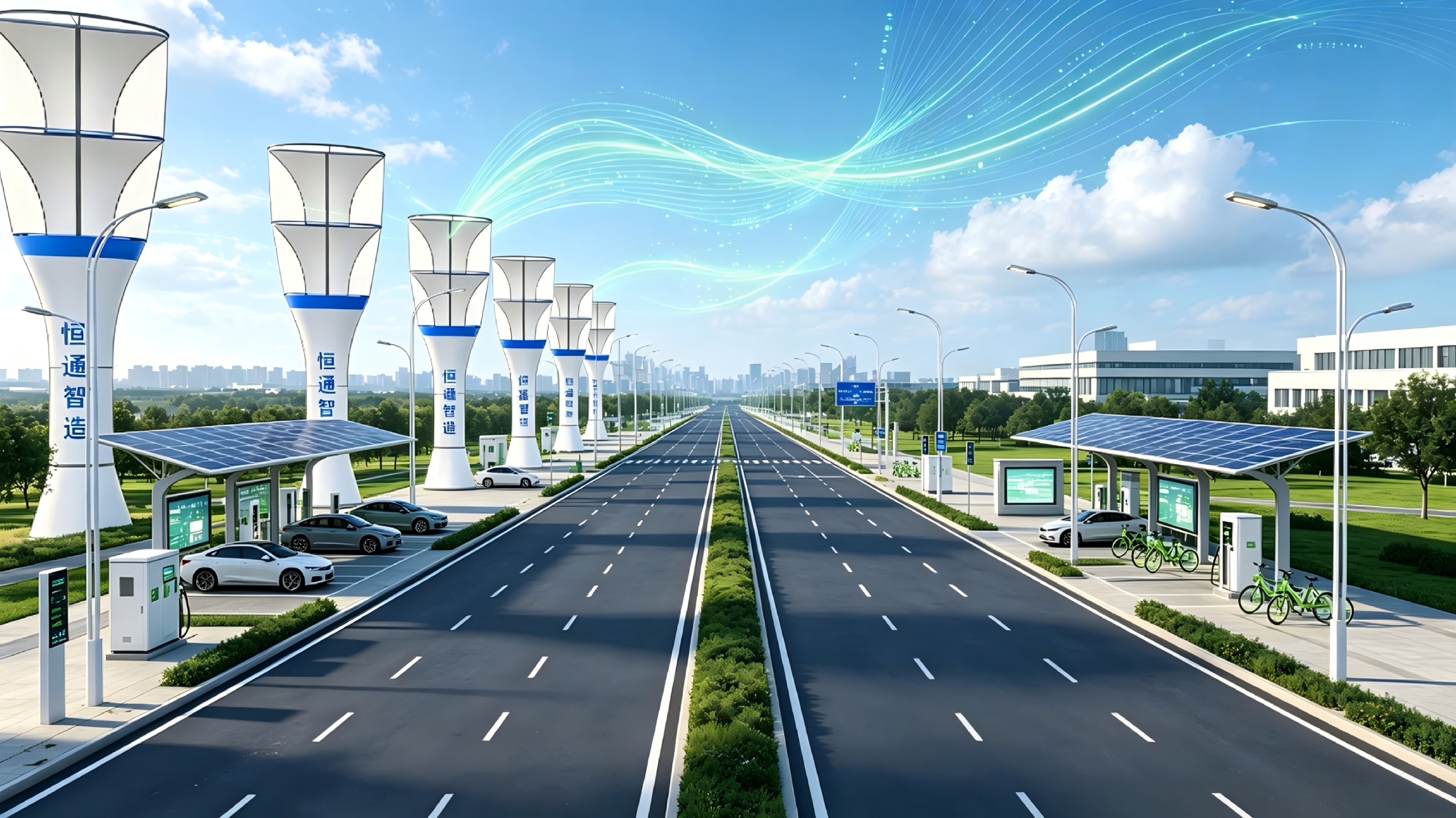
To supply electricity for lighting, traffic lights and surveillance equipment on urban roads, motorways and in tunnels, thereby meeting the power requirements of road infrastructure.
▌Hengtong Intelligent Manufacturing Solutions
By integrating micro-wind turbines and photovoltaic panels onto lampposts, a smart street lighting system combining wind and solar power is created, thereby establishing a distributed microgrid to meet the electricity requirements of road infrastructure.
▌Core Application Value
Energy self-sufficiency:The road lighting system is energy self-sufficient, eliminating the need for complex underground cabling and significantly reducing both construction and long-term maintenance costs.
Improving road safety:By establishing an independent power supply system, traffic lights and surveillance cameras can continue to operate normally even in the event of a power cut, thereby ensuring safe passage.
Creating a flagship smart city:By deeply integrating green energy with smart transport, it will serve as a key showcase for the city’s green, low-carbon development and its capabilities in scientific and technological innovation.
Zero-carbon special scenarios
▌Scene description
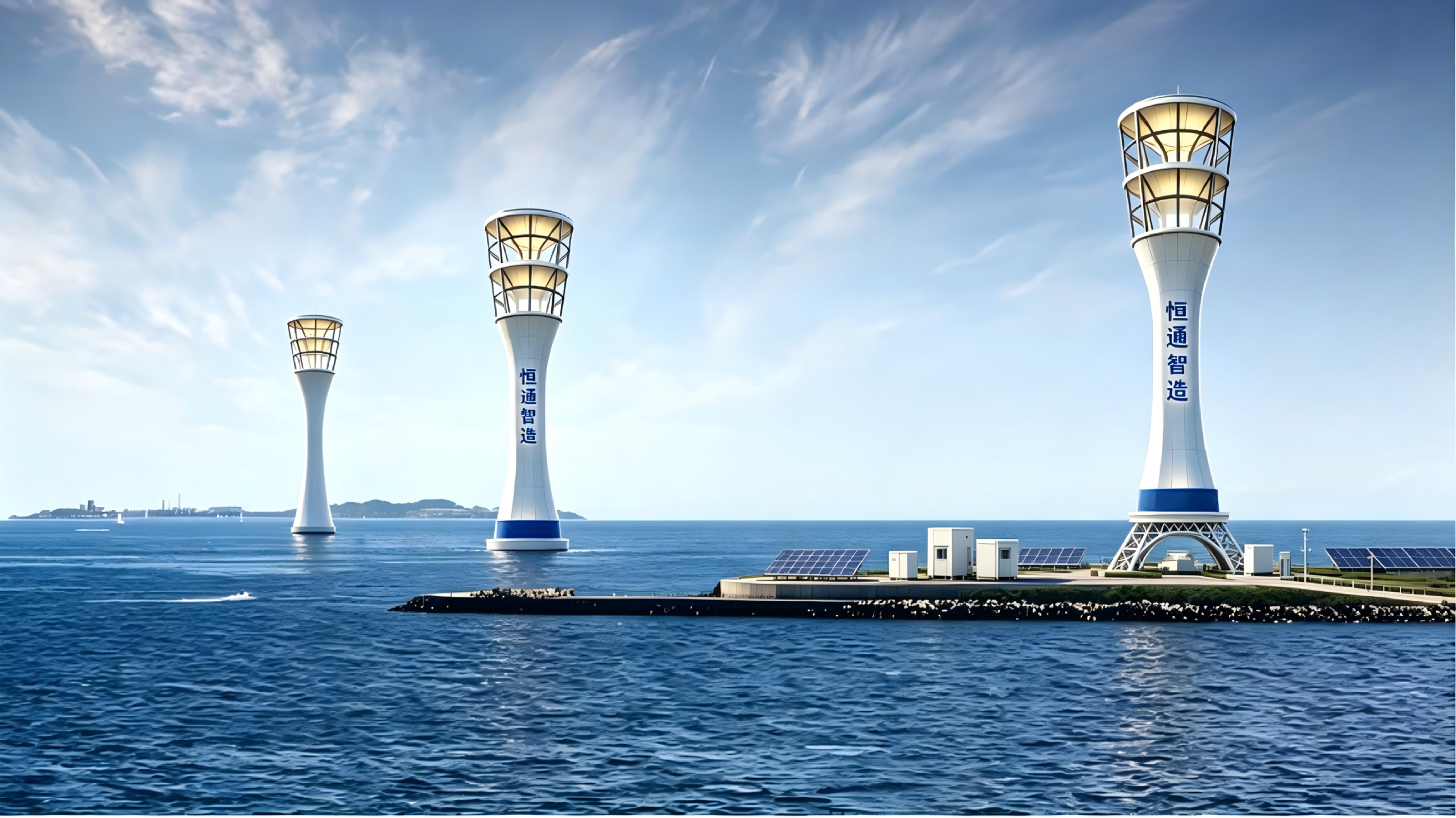
To address the issue of inadequate basic electricity supply in remote villages, border outposts, isolated islands and other locations that are far from the main grid or difficult for the grid to reach.
▌Hengtong Intelligent Manufacturing Solutions
Deploy off-grid, stand-alone power generation systems, flexibly combined with energy storage equipment, to build stable and reliable microgrid systems that meet the electricity needs of local residents for their daily basic living requirements, as well as those of outposts for national defence and small-scale production.
▌Core Application Value
Breaking the deadlock of the power shortage:Without the need for costly long-distance power transmission and distribution infrastructure, this solution can be rapidly implemented and is ready for immediate use, effectively addressing the pressing issues of power shortages and lack of electricity that affect people’s daily lives.
Safeguarding public services:Providing a continuous power supply to key public facilities such as local schools, primary healthcare centres and mobile phone base stations, thereby effectively improving residents’ quality of life and the standard of public services.
Empowering Industrial Revitalisation:Providing green and stable energy support for local speciality industries such as eco-tourism, specialised seafood farming and agricultural product processing, thereby stimulating economic development in remote areas and contributing to rural revitalisation.